Canada has emerged as a global chief inside the legal cannabis market, with the two recreational and medical use fully regulated. As an effect, many aspiring growers are turning to be able to cannabis seeds to be able to cultivate their particular crops at home. Increasing cannabis from seeds can be both rewarding and educational, but that requires learning the basics—from choosing the proper seeds to growing seedlings into wholesome plants. This guidebook will help beginners navigate the method of growing hashish from seeds canada, covering all the particular essential steps, legitimate considerations, and nurturing tips.
Understanding Hashish Seeds
Cannabis plant seeds would be the starting point of any effective cultivation journey. Choosing the right seeds is important because they determine the plant’s genetics, growth design, potency, and flavor profile. You can find 3 main varieties of cannabis seeds:
Feminized Seed products: These seeds will be bred to produce female plants, which are the kinds that yield buds. Feminized seeds are ideal for beginners since they reduce the risk of developing male plants, which do not produce usable cannabis.
Autoflowering Seeds: These seeds flower automatically after a several weeks, regardless of mild cycle. They may be ideal for Canadian farmers looking for some sort of faster harvest along with minimal maintenance.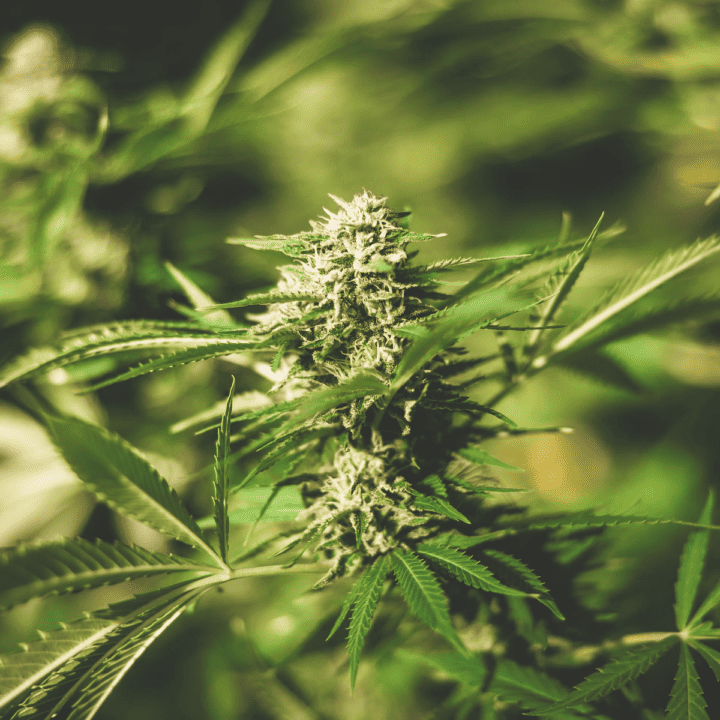
Standard Seeds: These are generally organic seeds that may generate male or feminine plants. They happen to be usually chosen simply by breeders and knowledgeable growers who need to produce their own seeds or experiment with genetics.
Picking out seeds in Canada, it is essential to source them from respected local seed banks or licensed producers. High-quality seeds possess a higher germination rate, which enhances the likelihood of a new successful grow.
Lawful Considerations in Canada
Just before starting any fostering, it is crucial to understand Canada’s cannabis laws. In accordance with federal regulations:
Adults 18 years or older can legitimately grow up to four cannabis crops per household intended for personal use.
Increasing cannabis commercially demands a license from Health Canada.
Seeds can be legitimately purchased from licensed producers, but this is illegal to be able to buy from unlicensed sources.
Different provinces may have additional regulations regarding vegetable visibility, growing areas, and municipal limitations, it is therefore important to be able to check local laws and regulations before starting your current cultivation.
Choosing the Right Atmosphere
Cannabis can be produced indoors or outside in Canada, based on the climate, available place, and personal preferences.
Indoor Growing
Indoor growing allows with regard to complete control over the particular environment, including light, temperature, humidity, plus airflow. This approach is great for Canadian farmers moving into regions along with harsh winters or perhaps limited outdoor room. Key requirements contain:
Grow Lights: LED or HID lights are commonly utilized to mimic sunlight.
Increase Tent or Area: Provides a restricted space for plants helping contain light and odors.
Fresh air: Fans and deplete systems prevent warmth buildup and look after appropriate airflow.
Temperature and Humidity Control: Marijuana thrives at temperatures between 20–28°C in addition to humidity levels around 40–60% according to the growth stage.
Outdoor Increasing
Outdoor cultivation relies on natural sun light and can generate larger plants plus higher yields. Canada’s growing season varies by province, therefore timing is crucial:
Planting Season: Overdue spring is perfect, following your last ice, to make sure seedlings prosper.
Location: Choose the spot with total sun, good draining, and protection from robust winds.
Soil Prep: Rich, well-draining soil with added fragment or nutrients facilitates healthy growth.
Germinating Cannabis Seed
Germination is the very first step in turning seed into seedlings. The particular goal is in order to encourage the seeds to sprout a taproot, which can anchor the plant plus absorb nutrients. Common germination methods include:
Paper Towel Technique: Place seeds between damp paper towels, preserve them warm, and check daily until roots appear.
Soil Method: Plant seeds directly in small pots with gentle soil about 0. 5–1 cm serious. Keep the ground moist and comfortable.
Water Method: Bathe seeds in a new glass of water for 24–48 hours until the seed starting splits and typically the taproot emerges.
When the seed sprouts, carefully transfer it to soil or perhaps a hydroponic channel. Handle the seedling gently to steer clear of damaging the sensitive root.
Looking after explanation are fragile and require mindful attention during the particular early stages. Proper attention sets the inspiration for strong plants:
Lighting: Seedlings need 18–24 hours of light daily indoors. Outdoors, ensure they receive sufficient sunlight.
Watering: Keep soil moist but not waterlogged. Overwatering can cause root rot.
Temperature: Keep a reliable environment; baby plants are sensitive to be able to extreme heat or cold.
Nutrients: Use mild, balanced nutrition throughout the seedling period. Avoid strong fertilizers that may burn young plants.
Vegetative Progress Level
The vegetative stage is if plants focus upon growing stems and leaves. This period is critical regarding establishing a sturdy structure to assistance future buds:
Light source Cycle: Indoors, sustain 18 hours regarding light and six hours of darkness. Outdoors, plants may grow naturally with the sun.
Training: Methods like topping, low-stress training (LST), in addition to pruning can enhance yield and light penetration.
Nutrients: Hashish requires more nitrogen during this stage intended for healthy leaf development.
Watering: Gradually rise water as plants grow larger. Make sure proper drainage to be able to prevent root issues.
Flowering Phase
The flowering stage will be when cannabis makes buds, which contain cannabinoids such as THC and CBD. Set off by a change found in the light spiral (usually 12 hours regarding light and half of the day of darkness indoors), flowering requires mindful monitoring:
Nutrients: Switch to fertilizers rich found in phosphorus and potassium to back up bud enhancement.
Environment: Keep temperature ranges stable and humidity lower (40–50%) to prevent mold and mildew.
Infestation Control: Regularly examine plants for unwanted pests like spider mites and aphids. Organic remedies or organic and natural pesticides are recommended for home declaring no to prop.
Flowering duration differs depending on the strain—typically 7–10 weeks for almost all photoperiod plants plus 8–12 weeks regarding autoflowering varieties.
Cropping and Treating
Figuring out when to pick is crucial in order to maximize potency in addition to flavor. Trichomes (tiny resin glands about buds) vary from clean to cloudy or amber, indicating top cannabinoid levels.
Harvesting: Cut branches cautiously, avoiding problems for typically the buds.
Drying: Hold buds inverted inside of a dark, well ventilated space for 7–14 days.
Curing: Place dried buds within airtight jars, beginning them daily for a few minutes to discharge moisture. Curing boosts flavor, aroma, in addition to smoothness.
Proper harvesting and curing can make a factor inside the quality with the final product.
Common Challenges for Starters
New growers usually face challenges, yet these can be defeat with knowledge and patience:
Poor Germination: Ensure seeds usually are fresh and employ reliable germination procedures.
Nutrient Deficiencies: Yellowing leaves or stunted growth may indicate imbalanced nutrients.
Infestations and Mold: Typical inspection and preventive measures help sustain healthy plants.
Light and Temperature Anxiety: Keep a steady environment to avoid slowed growth or flower shock.
Final Suggestions for Success
Start with a small number of plants to achieve experience.
Keep the grow journal to growth stages, nutrition, and environmental situations.
Learn from area Canadian growers’ discussion boards and communities.
End up being patient—growing cannabis is definitely as much an art as it is a technology.
Always stick to Canadian laws in order to avoid lawful issues.
Conclusion
Rising cannabis from plant seeds canada can end up being a fulfilling leisure activity and an approach to ensure top quality cannabis for personal work with. Understanding the basics—seed types, legal demands, environmental factors, and even proper care—can set beginners on typically the path to success. By using the time to learn, test, and follow guidelines, anyone can progress healthy, potent hashish plants at home. With patience, consideration to detail, and even respect to the regulation, growing from seeds can easily become an satisfying and rewarding encounter for Canadian declaring no to prop.

