Canada’s diverse climate can make cannabis cultivation an unique challenge for growers across the nation. Coming from the coastal rainwater of British Columbia towards the cold winters of Manitoba in addition to the temperate high seasons of Ontario, knowing seasonal conditions is crucial for prosperous cultivation. Timing the planting, selecting the right seeds, and even adjusting care centered on local weather can significantly increase yield, potency, and plant health. This guide provides a comprehensive seasonal roadmap with regard to growing cannabis through seeds across distinct Canadian provinces.
Knowing Cannabis Growth Periods
Before diving straight into province-specific advice, it is essential to be able to understand the fundamental growth stages regarding cannabis:
Germination: Plant seeds sprout a taproot, usually within 3–7 days.
Seedling Level: Young plants create leaves and beginnings, requiring careful consideration to light, water, and nutrients.
Vegetative Stage: Plants develop stems and foliage, finding your way through flowering.
Blooming Stage: Buds create, and cannabinoids just like THC and CENTRAL BUSINESS DISTRICT are produced.
Collection: Plants are minimize, dried, and cured to preserve potency and flavor.
Each level has specific environmental requirements. Understanding these needs allows declaring no to prop to adjust care established on regional climate conditions.
General Holiday Guidelines in Nova scotia
Spring (March – May)
Ideal for germination and early vegetative growth.
Interior growers can start seed products anytime with controlled conditions.
Outdoor growers should possible until after the last frost, which varies by simply province.
Ensure seedlings receive sufficient lighting (indoors) or early sun exposure (outdoors).
Summer (June – August)
Peak expanding season for vegetative and flowering phases outdoors.
Monitor temperature, humidity, and pests closely.
Outdoor vegetation require regular watering, nutrient supplementation, and potential support intended for tall strains.
Drop (September – November)
Outdoor growers have to focus on blooming and harvest, dependent on strain in addition to local climate.
Inside growers continue blooming cycles with controlled light schedules.
Temperatures drops and reduced days may impede outdoor growth; look at strain selection cautiously.
Winter (December – February)
Outdoor development is generally not necessarily possible because of holding temperatures.
Indoor farmers can continue periods or prepare seed for the next season.
Use winter season months to prepare future grows, maintain equipment, and review plant genetics.
Provincial Seasonal Instructions
just one. British Columbia (BC)
Climate: Coastal BC has mild, moist winters and comfortable, sunny summers.
Outside Planting: Start seed products in late The spring to early May possibly. Flowering should finish by September to be able to avoid mold coming from rain.
Strain Suggestions: Resistant hybrids, autoflowering strains, and Indicas perform well.
Tips: Ensure good draining and consider greenhouse cultivation to guard against heavy rain fall.
2. Alberta
Climate: Alberta has frosty winters, hot summers, and occasional overdue frosts.
Outdoor Seeding: Wait until mid-May for frost-free conditions. Short summers like fast-flowering strains.
Tension Recommendations: Autoflowering stresses are ideal for multiple harvests plus short growing conditions. Indica-dominant strains take care of cooler temperatures much better.
Tips: Use dirt amendments to retain dampness and protect plant life from strong years.
3. Ontario
Weather: Ontario experiences comfortable, humid summers plus cold winters.
Patio Planting: Seeds can be planted at the end of May, ensuring protection from late spring frost.
Strain Recommendations: Balanced hybrids, Sativa-Indica crosses, and autoflowering seeds thrive.
Tips: Keep track of humidity closely during flowering to stop mildew and mold. Raised mattresses improve drainage.
5. Quebec
Climate: Quebec has hot high seasons and long, chilly winters.
Outdoor Growing: Come from late May; harvest should essentially be completed by simply mid-September.
Strain Tips: Fast-flowering strains plus hardy Indicas. Autoflowering varieties are useful for shorter periods.
Tips: Protect young plants from early on frost and think about greenhouses for longer developing seasons.
5. Manitoba and Saskatchewan
Environment: Prairie provinces knowledge cold, harsh winter seasons and short summers.
Outdoor Planting: Herb in early Summer to avoid overdue frost damage. Collect by mid-September.
Tension Recommendations: Fast-growing, sturdy strains such while autoflowering or Indica-dominant hybrids.
Tips: Make use of raised soil bedrooms and windbreaks to protect plants. Interior cultivation may end up being preferred for more predictable results.
a few. Nova Scotia and Atlantic Pays
Weather: Maritime climate with wet summers and even mild winters.
Outside Planting: Seeds will be planted throughout mid-May after frost. Ensure plants have got sufficient sun publicity.
Strain Recommendations: Mold-resistant strains, autoflowering kinds, and hardy mixed-style models.
Tips: Use mulch to prevent root rot and screen humidity to stop fungal issues.
seven. British Columbia Internal
Climate: Hot, dried summers with freezing winters.
Outdoor Planting: Seeds can turn out to be started in late Apr; harvest in overdue September.
Strain Suggestions: Sativa-dominant strains benefit from long, warm days. additional hints mixed-style models handle cooler evenings.
Tips: Use drop irrigation to deal with dry conditions and even reduce plant pressure.
Indoor Cultivation Throughout Provinces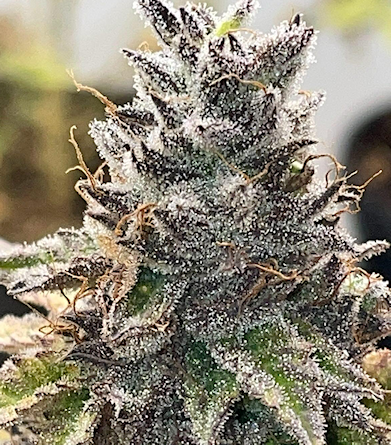
Indoor developing allows Canadians to be able to bypass seasonal limitations and control the particular environment year-round. Crucial considerations include:
Lighting Schedule: Vegetative expansion requires 18–24 hrs of light; its heyday requires 12 hrs.
Temperature Control: Preserve 20–28°C for ideal growth.
Humidity: Retain humidity between 40–70% depending on typically the growth stage.
Strain Flexibility: Any stress could be grown inside, no matter local climate or season.
Indoor cultivation is particularly valuable in pays with short growing seasons or tough winters, such seeing that Manitoba, Saskatchewan, plus Quebec.
Seed Assortment for Seasonal Achievement
Choosing the right seeds for your province assures that plants fully developed within available raising windows:
Autoflowering Seed products: Ideal for pays with short outdoor seasons, such as Alberta, Manitoba, and Saskatchewan.
Fast-Flowering Feminized Seeds: Succeed inside of moderate climates using moderate growing glass windows.
Resilient Regular Seed: Suitable for dog breeders and experienced declaring no to prop in any state, especially outdoors.
Coordinating seed type using seasonal conditions improves the likelihood of healthful plants, abundant pals, and successful bounty.
Tips for Capitalizing on Yield in Canadian Seasons
Plan Ahead: Check frost schedules, sunlight hours, in addition to local weather patterns before planting.
Employ Protective Measures: Greenhouses, row covers, or even windbreaks help shield outdoor plants by harsh conditions.
Enhance Soil: Use rich soil, compost, plus proper drainage to enhance growth.
Keep an eye on Pests and Diseases: Seasonal humidity in addition to temperature fluctuations might increase pest exercise; inspect plants frequently.
Track Growth: Sustain a grow diary to track pressure performance, germination dates, and harvest results.
Realization
Successful hashish cultivation in North america requires careful planning around seasonal and even regional conditions. Understanding the unique climate of each province, selecting suitable seed, and timing sowing and harvesting correctly are critical ways for any productive develop.
From British Columbia’s wet coastal locations to Manitoba’s small prairie summers, each and every province presents unique challenges and opportunities. Indoor cultivation offers a reliable alternative for growers within regions with tough winters or unpredictable weather. By incorporating knowledge of seasons conditions, strain assortment, and proper plant care, Canadian declaring no to prop can achieve wholesome, high-yield cannabis seeds in spite of their place.
If you are a newbie or an knowledgeable cultivator, this holiday guide offers a plan to plan, grow, and harvest cannabis successfully in most part of Canada. Suitable preparation, patience, in addition to adherence to community laws ensure a new rewarding home-growing knowledge.

