Pet owners across Delaware — from Wilmington to Dover and beach towns like Rehoboth Beach — are increasingly interested in using CBD for dogs and cats and kittens. One of the particular most important queries they face will be: What’s safe regarding animals — hemp or marijuana? Understanding the differences is important for legal conformity and pet safety.
This article explores the distinctions among hemp and cannabis, their legal position in Delaware, exactly how they affect pets, and practical assistance for responsible make use of.
Understanding Cannabis: Hemp vs. Marijuana
Hashish is a genus of plants that will includes both hemp and marijuana. The main difference lies in the focus of tetrahydrocannabinol (THC), the compound dependable for the psychoactive “high. ”
Hemp: Contains 0. 3% THC or significantly less.
Marijuana: Contains more than 0. 3% THC.
CBD (cannabidiol) is found in both hemp plus marijuana, but this would not produce psychoactive effects. THC, in the other hand, is extremely toxic to be able to pets, especially canines and cats.
This particular distinction is crucial when selecting a new product for your pet. While hemp-derived CENTRAL BUSINESS DISTRICT is generally deemed safe, marijuana items containing THC are dangerous and potentially life-threatening.
Federal plus Delaware Law
Government Law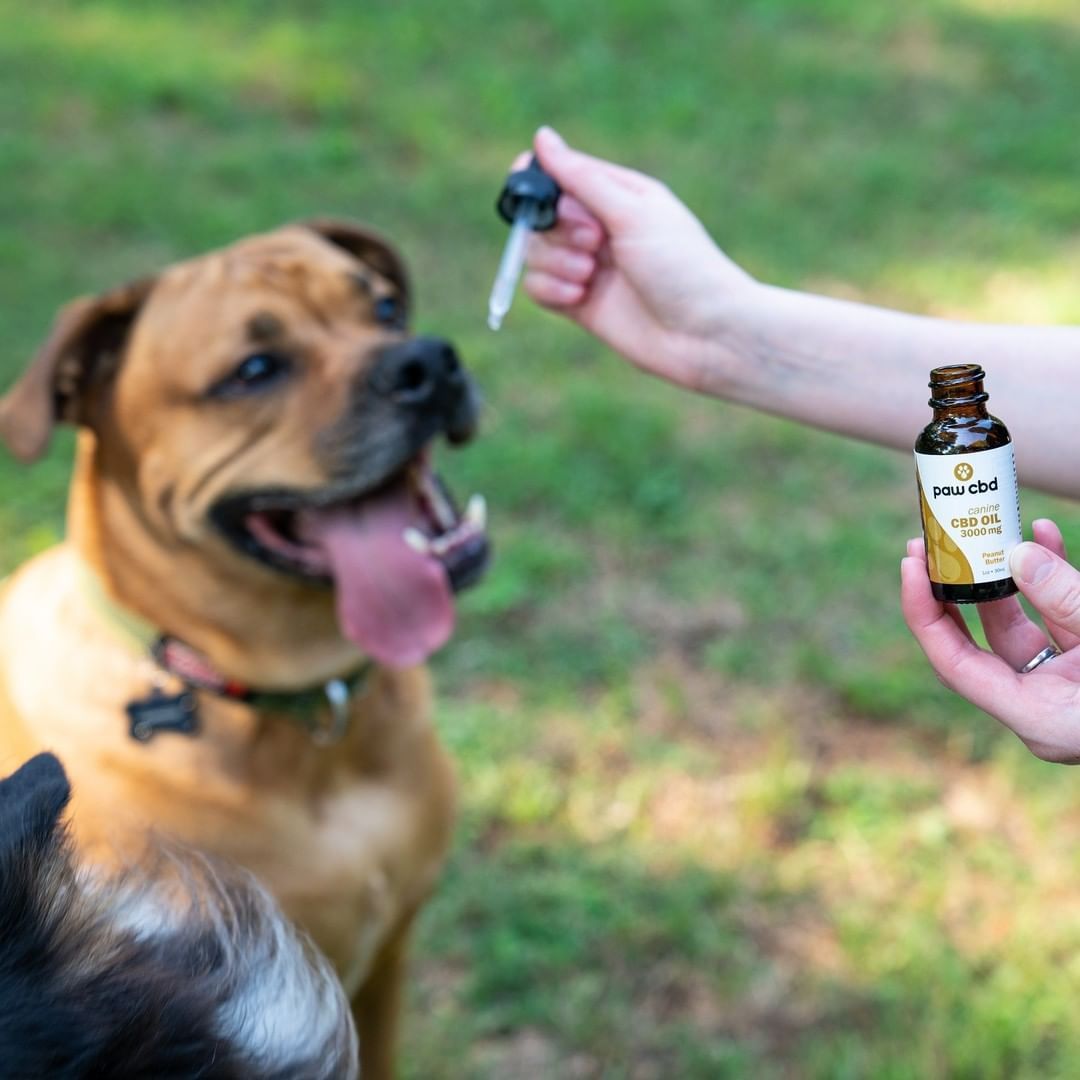
Under the particular 2018 Farm Bill, hemp-derived products containing only 0. 3% THC are lawful nationwide. This involves CBD oil plus treats marketed regarding pets.
Marijuana, that contains higher THC amounts, remains federally unlawful. However, hemp-derived CENTRAL BUSINESS DISTRICT is legal no matter of state.
Delaware State Law
Delaware permits adult-use marijuana for human consumption. Adults over 21 years old may possess and even use cannabis for private purposes.
However, adult-use legalization does not really extend to domestic pets. Giving marijuana in order to pets is unsafe and can be deemed neglectful whether it benefits in harm.
Hemp-derived CBD products, by contrast, are legal for sale and use in pets, as extended as THC content stays below zero. 3%.
How Hemp and Marijuana Impact Pets
Hemp-Derived CBD
Hemp-derived CBD is non-intoxicating and typically well tolerated by cats and dogs. Potential benefits include:
Reducing moderate stress
Supporting joints range of motion
Promoting hunger and comfort
Side effects are normally slight and may consist of:
Drowsiness
Diarrhea
Small appetite changes
Hemp-derived CBD is regarded safe when presented in appropriate doses and from reliable, lab-tested sources.
Pot Products
Marijuana goods contain high amounts of THC, which is often extremely toxic in order to pets. Dogs, especially, have many cannabinoid receptors in their own brains, making them highly sensitive.
Regarding THC toxicity in dogs and cats can include:
Throwing up
Tremors or nervous-looking
Loss of skill
Sleepiness
Urinary incontinence
Disorientation
Accidental ingestion of marijuana edibles is a common cause of veterinary problems. Even small amounts can be hazardous.
Choosing the Perfect Product to your Family pet
When selecting CENTRAL BUSINESS DISTRICT products in Delaware, pet owners should prioritize:
1. THC Content
Always choose hemp-derived CBD along with less than 0. 3% THC. Some owners prefer THC-free (CBD isolate) goods to reduce risk.
a couple of. Pet-Specific Formulation
Never ever give pets goods designed for human ingestion. Human CBD goods may contain:
Chocolate
Xylitol
Artificial sweeteners
Unsafe essential natural oils
These ingredients could be toxic to be able to pets.
3. look here -Party Lab Tests
Dependable products provide Accreditation of Analysis (COAs) confirming:
CBD focus
THC levels
A shortage of contaminants (pesticides, hefty metals, mold)
Lab-tested products reduce danger and increase dependability.
Legal and Safety Considerations in Delaware
Even though hemp-derived CBD is legitimate, safety and corporate compliance remain critical.
Storage: Keep almost all cannabis products out of reach regarding pets.
Veterinary Appointment: Always consult the vet before starting up CBD, particularly if your own pet takes medications.
Emergency Awareness: Know the dimensions of the signs of THC toxicity and contact a vet immediately if exposure occurs.
Being informed helps to ensure compliance along with Delaware laws while protecting your pet’s well being.
Practical Advice with regard to Pet Owners
Verify Product Type: Confirm hemp-derived CBD together with lower than 0. 3% THC.
Check Substances: Avoid any damaging additives.
Start Low: Introduce CBD steadily and monitor your current pet’s response.
Seek advice from a Veterinarian: Discuss potential drug relationships or health issues.
Monitor Unwanted side effects: View for sedation, intestinal issues, or unconventional behavior.
CBD can be quite a supportive wellness application, but THC-containing cannabis should never end up being given to wildlife.
Why This Difference Matters
Understanding the difference between hemp and marijuana is definitely not just regarding legality — it’s about pet security.
Hemp-derived CBD supplies a safe, non-intoxicating strategy to wellness support.
Cannabis products are remarkably toxic and can easily require emergency treatment.
Clear labeling, third-party testing, and veterinary clinic guidance are necessary with regard to safe use.
Family pet owners in Delaware must navigate the two legal compliance in addition to practical safety concerns to ensure their particular pets benefit coming from CBD without threat.
The Bottom Line
For Delaware family pet owners in Wilmington, Dover, Rehoboth Beachfront, and beyond:
Hemp-derived CBD ( <0. 3% THC) is usually legal and usually secure for pets when used responsibly.
Cannabis products (high THC) are unsafe regarding pets and really should never be used.
Always consult your animal medical practitioner, verify product top quality, and start with low doses.
Simply by understanding the distinction between hemp and cannabis, Delaware pet users can make risk-free, informed choices, guaranteeing their animals reap the benefits of CBD without risking toxicity or legitimate complications.

