Cultivating cannabis in Canada is only portion of the journey—proper harvesting and stopping are essential in order to ensure high-quality sprouts with maximum efficiency, flavor, and smoothness. Even with the most effective seeds and cautious growth practices, blunders during harvest or curing can significantly reduce the high quality of your respective cannabis. This particular step-by-step guide supplies Canadian growers along with practical instructions intended for harvesting and curing cannabis seeds effectively, ensuring the ultimate product meets equally personal and lawful expectations.
Understanding Any time to Harvest Cannabis
Timing is crucial in harvesting cannabis. Harvesting too early or too late may affect the potency, flavor, and overall yield of your current plants. The primary indicator for collect readiness will be the trichomes, the resin glands that contain cannabinoids like THC and even CBD.
Key Indications of Readiness:
Trichome Coloring: Use a magnifier glass or jeweler’s loupe to examine trichomes. Clear trichomes reveal immaturity, milky or perhaps cloudy trichomes transmission peak THC amounts, and amber trichomes provide more relaxing effects.
Pistil Color: Look at the hairs on pals. White pistils suggest immaturity, while red or brown pistils signal readiness.
Loose tea leaf Changes: Sugar results in risk turning yellow while the plant concentrates energy on sprouts.
Harvest timing varies based on tension type, growth circumstances, and regional local climate. In Canada, backyard growers must take into account frost dates to be able to avoid damage, especially in provinces together with short growing seasons like Manitoba, Saskatchewan, or Alberta.
Step 1: Preparing for Collect
Before cutting your plants, preparation is definitely key:
Pick the best Resources: Use sharp pruning shears or scissors to ensure clear cuts. Sterilize tools to prevent toxic contamination.
Prepare the Environment: Harvest in the clean, dry, and darker space to stop form and maintain plant quality.
Decide upon Whole Plant versus. Individual Branch Harvesting: Smaller grows might be harvested branch by branch, while larger plants might be harvested all together to streamline drying out.
Step 2: Slicing the Plants
Careful cutting prevents harm to buds and preserves trichomes:
Outside Plants: Cut branches near the bottom, leaving enough control for handling. Steer clear of shaking buds to reduce trichome loss.
In house Plants: Cut in the base or inside sections, depending upon space and drying method. Handle sprouts gently to prevent damage.
Removing Large Fan Leaves: Trim off large departs before drying to improve airflow and lessen moisture retention.
Phase 3: Drying Marijuana Buds
Proper jerking reduces moisture articles, preventing mold plus preparing buds for curing:
Drying Tips:
Environment: Dry sprouts in a darkish room with temps between 18–21°C in addition to humidity around 45–55%.
Airflow: Use enthusiasts for gentle atmosphere circulation but prevent direct airflow in buds, that may destruction trichomes.
Duration: Blow drying typically takes 7–14 days, depending on humidity, bud occurrence, and strain. Sprouts are prepared when arises snap instead regarding bending.
Hanging Method: Hang branches upside down from a new line or stand for even drying.
Screen Method: Smaller buds can end up being placed on blow drying screens, ensuring air movement around all attributes.
Monitoring during drying is essential—too accelerated can degrade flavor and cannabinoids, whilst too slow can business lead to mold.
Step four: Trimming Buds
Cutting removes excess departs and improves bud appearance and quality:
Wet Trimming: Reduce immediately after enjoying before drying. Much easier to cut although slightly messier due to moisture.
Dried out Trimming: Trim following drying. Buds are firmer and simpler to handle.
Tools: Make use of sharp scissors along with a clean workspace. Remove sugar leaves although preserving trichome-rich calyxes.
Trimming is each aesthetic and functional—it improves airflow throughout curing and improves the smoking experience.
Step five: Curing Cannabis Pals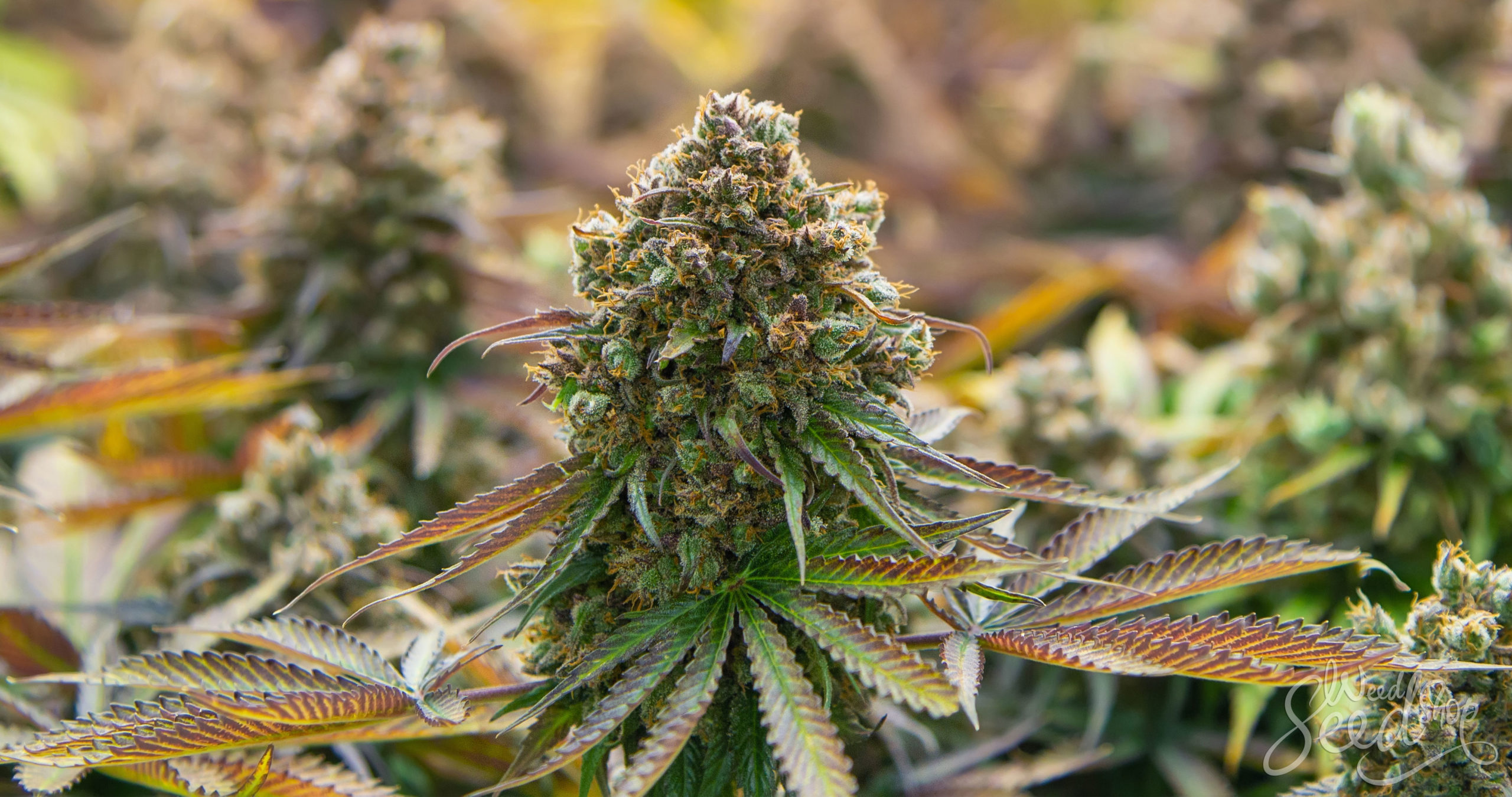
Curing is the particular final step that enhances flavor, designs, and cannabinoid efficiency.
Curing click :
Containers: Store dried pals in airtight a glass jars or additional sealed containers. Prevent plastic bags regarding long-term storage.
Filling up Jars: Fill cisterns about 70–80% full allowing air blood circulation. Overpacking can snare moisture.
Burping: Open up jars for 10–15 minutes daily for the first 2–3 weeks to release excess moisture and allow clean air swap. Gradually reduce belching frequency over time.
Timeframe: Proper curing commonly takes 2–6 months, though some connoisseurs cure buds for several months to maximize flavor and effectiveness.
Benefits associated with Curing:
Improves terpene profiles, increasing aroma and flavor.
Stabilizes moisture with regard to smoother smoke.
Boosts cannabinoid potency, specially THC and CENTRAL BUSINESS DISTRICT.
Reduces harshness in addition to improves overall high quality.
Step 6: Long-Term Storage area
Once properly healed, cannabis can end up being stored for years although maintaining quality:
Storage area Conditions: Keep jars in a cool, dark, and dry out location. Ideal temperature ranges are 15–20°C.
Stay away from Light Exposure: AND ALSO light degrades cannabinoids as time passes.
Humidity Handle: Maintain 55–62% moisture inside jars employing humidity packs in order to prevent mold or overdrying.
Minimal Coping with: Handle buds softly to preserve trichomes and avoid fallling.
Regional Considerations on Canada
Canadian stating must adjust harvesting and curing practices depending on community climate:
British Columbia: High humidity demands careful drying plus frequent burping to prevent mold. Take into account indoor drying areas for outdoor harvests.
Prairie Provinces (Alberta, Saskatchewan, Manitoba): Dry out, sunny climates lessen mold risk although may overdry sprouts. Use humidity packs in jars with regard to optimal curing.
Ontario and Quebec: Humid summers require controlled drying environments. Interior drying rooms or greenhouses maintain constant airflow and temperature.
Atlantic Provinces: Wet summers make drying out outdoors risky. Interior drying or greenhouses protect buds from rain and dampness.
Common Harvesting and even Curing Faults
Cropping Too Early or Too Late: Decreases potency and shifts effects. Always monitor trichomes.
Improper Jerking: Too fast or as well slow drying will lead to severe taste or mould.
Poor Curing: Bypassing curing or not necessarily burping jars leads to uneven dampness, degrading flavor plus smoothness.
Handling Buds Roughly: Damages trichomes and reduces potency. Handle gently over the process.
Ignoring Moisture Control: Both overdrying and excess moisture harm quality; keep track of conditions closely.
Keeping away from these mistakes ensures premium-quality cannabis that reflects your hard work and investment within seeds and cultivation.
Bottom line
Harvesting and curing are critical stages in the hashish cultivation process in Canada. From monitoring trichomes to identifying harvest timing, properly cutting plants, drying out, trimming, and recovering buds, each step of the process directly affects the last product’s quality, potency, in addition to flavor.
Canadian growers must also be the cause of regional climate dissimilarities, ensuring proper drying out and curing techniques to prevent mould or overdrying. Along with consideration to details, high-quality seeds, and even adherence to legitimate regulations, Canadian cultivators can also enjoy cannabis of which is flavorful, potent, and smooth, addressing the full prospective of their develop.
Using this step by step guide, growers across Canada—whether in British Columbia, Ontario, the particular Prairies, and also the Ocean provinces—can confidently harvest and cure hashish seeds to achieve the greatest possible results from their house cultivation attempts.

