Growing marijuana in Canada could be a gratifying experience, but that incorporates unique challenges due to the country’s diverse climate, regional versions, and seasonal limitations. Both beginner and experienced growers might encounter issues associated to pests, disorders, nutrients, environmental situations, or genetics. Knowing common problems plus knowing how to address them is important for cultivating healthy plants and reaching high yields. This kind of guide outlines the most frequent challenges Canadian cannabis growers face and provides functional solutions.
1. Climate and Temperature Concerns
Canada’s climate may differ significantly across contrée, through the wet coast regions of British Columbia to the chilly prairie provinces associated with Manitoba and Saskatchewan. Improper temperature or humidity can influence cannabis growth in any stage.
Common Issues
Cold Tension: Temperatures below 15°C can slow growth, damage leaves, or stunt plants.
Temperature Stress: Temperatures previously mentioned 28–30°C may cause leaf curling, nutrient burn, or reduced marijuana quality.
Humidity Fluctuations: Excessive humidity encourages mold, mildew, and even bud rot, when low humidity could dry plants in addition to stunt growth.
Remedies
Indoor Cultivation: Use heaters, ac units, enthusiasts, and humidifiers/dehumidifiers to be able to maintain optimal situations.
Outdoor Cultivation: Pick frost-resistant strains, flower in protected regions, and consider greenhouses or row covers.
Monitoring: Use thermometers and hygrometers to temperature and moisture, adjusting the environment as needed.
two. Pest Infestations
Unwanted pests really are a common issue for outdoor growers and can even affect indoor setups if conditions are not properly maintained.
Common Pests
Index Mites: Tiny pests that suck herb sap, causing discolored spots and loose tea leaf damage.
Aphids: Smaller green or dark insects that give on leaves plus stems, spreading illness.
Fungus Gnats: Larvae damage roots, decrease plant growth.
Whiteflies: Tiny flying insects that weaken plant life and spread disorder.
click for more info : Inspect plants regularly, maintain clean expanding areas, and stay away from introducing contaminated ground or tools.
Normal Pesticides: Neem petrol, insecticidal soap, and diatomaceous earth are really safe options regarding cannabis plants.
Valuable Insects: Ladybugs and predatory mites assist control pest multitude naturally.
Environmental Management: Maintain proper humidness and airflow to reduce pest mating conditions.
3. Fungal and Mold Problems
Mold and fungus are particularly standard in Canada’s humid regions or during rainy seasons.
Typical Issues
Powdery Mildew and mold: White powdery places on leaves that reduce photosynthesis.
Bud Rot (Botrytis): Gray mold that damages buds from the inside out.
Tea leaf Spot Diseases: Discolored or dead locations on leaves due to fungi.
Solutions
Air flow: Use fans in the house and space vegetation outdoors to boost airflow.
Humidity Handle: Keep humidity under 50% during flowering to avoid mold.
Trimming: Remove dense leaves that traps moisture.
Organic Fungicides: Use sulfur-based sprays or perhaps potassium bicarbonate to be able to treat early infections.
4. Nutrient Insufficiencies
Cannabis needs a balance of nutrients throughout its life period. Deficiencies can stop growth, reduce brings, and cause poor bud quality.
Typical Deficiencies
Nitrogen Deficiency: Yellowing leaves throughout the vegetative level.
Phosphorus Deficiency: Dim or purple simply leaves, slow growth, plus weak buds.
Potassium Deficiency: Leaf edges curl, brown locations appear, and flower structure weakens.
Calcium/Magnesium Deficiency: Interveinal yellowing or necrotic locations on leaves.
Options
Balanced Fertilization: Employ high-quality cannabis nutrition tailored to expansion stages.
pH Checking: Maintain soil pH between 6. 0–7. 0 for soil grows, 5. 5–6. 5 for hydroponics to make certain nutrient uptake.
Foliar Feeding: Use nutrients directly to leaves for rapid correction.
Avoid Over-Fertilization: Excess nutrients can cause “nutrient burn” and damage vegetation.
5. Light Anxiety
Light is essential for photosynthesis, although both too tiny and too much gentle can harm marijuana plants.
Common Problems
Insufficient Light: Crops grow tall plus spindly, with weakened stems and lower yields.
Light Burn: Leaves turn yellow hue or brown whenever too close to intense grow lamps.
Inconsistent Photoperiods: Disturbances within the light routine can delay flowering or cause tension.
Remedies
Proper Gentle Placement: Maintain the particular correct distance involving grow lights and plants.
Light Timetable Management: Use termes conseillés indoors to make certain constant photoperiods.
Supplemental Lights: For outdoor crops in low-light locations, consider reflective materials or grow lamps in greenhouses.
six. Genetics and Seed starting Quality Troubles
Beginning with poor-quality seeds can lead to weak plants, low germination rates, or undesirable traits.
Typical Issues
Low Germination Rates: Seeds fail to sprout as a result of age, poor storage area, or low-quality family genes.
Hermaphrodites: Plants create both male and feminine traits, often due to stress or volatile genetics.
Low Yield or Potency: Weak genetics can end result in weak plants with less THC/CBD content.
Alternatives
Obtain Licensed Seeds: Buy from reputable Canadian producers or licensed seed banks.
Correct Storage: Keep plant seeds cool, dry, plus dark to preserve viability.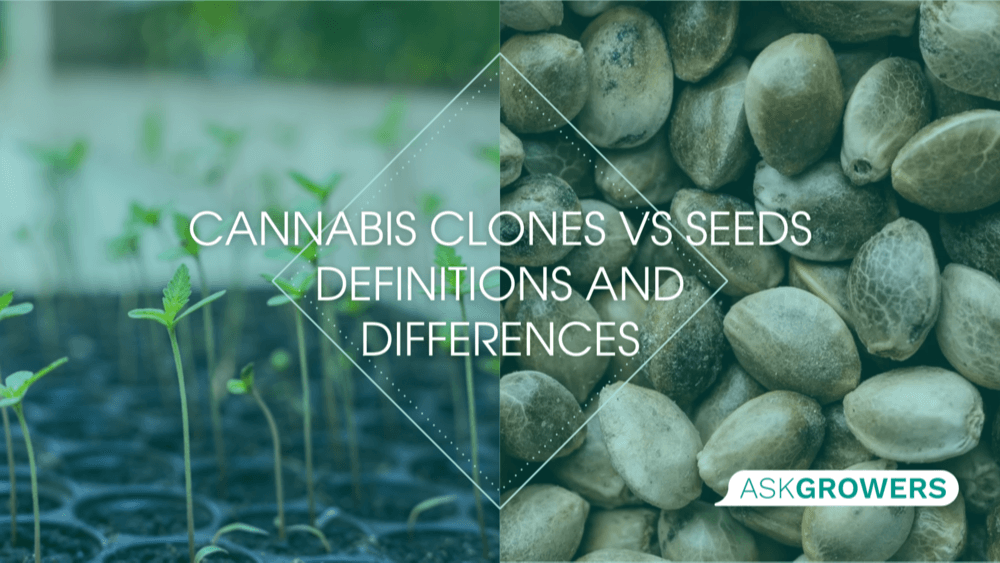
Stress Supervision: Avoid extreme environment conditions in order to avoid hermaphroditism.
7. Watering Issues
Cannabis requires mindful watering practices to avoid root troubles.
Common Issues
Overwatering: Causes root rot, yellowing leaves, and slow growth.
Underwatering: Leads to wilting, nutrient deficiencies, in addition to stunted growth.
Weak Drainage: Waterlogged earth can suffocate origins and promote yeast growth.
Solutions
Check Soil Moisture: Drinking water only when the best inch of garden soil feels dry.
Suitable Drainage: Use pots with drainage holes and well-aerated soil.
Consistent Schedule: Sustain regular watering patterns, adjusting for herb size and ecological conditions.
8. Environment Stressors
Environmental stresses such as blowing wind, frost, or pollution can impact outside cannabis cultivation.
Frequent Problems
Wind Ruin: Can break branches and reduce light transmission.
Frost: Freezing temperature ranges kill seedlings or even damage buds.
Air pollution or Dust: Reduces photosynthesis and introduces contaminants.
Solutions
Greenhouses or Row Masks: Protect outdoor crops from wind, ice, and rain.
Tactical Placement: Plant near natural windbreaks or even in sheltered regions.
Regular Cleaning: Softly rinse leaves in order to remove dust or airborne pollutants.
9. Harvesting and Post-Harvest Problems
Whether or not plant life grow successfully, poor harvesting and treating can ruin high quality.
Common Issues
Unwanted Harvesting: Reduces strength and yield.
Poor Drying: Causes form, harsh smoke, or loss of flavor.
Poor Curing: Might cause uneven moisture, reducing cannabinoid and terpene quality.
Solutions
Keep an eye on Trichomes: Use magnification to harvest from peak potency.
Managed Drying: Hang pals in dark, ventilated spaces at 18–21°C with 45–55% dampness.
Curing in Containers: Store buds within airtight jars, beginning them daily with regard to several weeks to ensure even moisture.
Conclusion
Growing hashish in Canada is a rewarding yet challenging endeavor. Environment factors, pests, vitamin deficiencies, light anxiety, and genetics most influence plant wellness and yield. By simply understanding common troubles and implementing sensible solutions, Canadian stating can prevent or even mitigate these issues, ensuring healthy crops and high-quality bounty.
Success comes coming from careful planning, normal monitoring, and choosing the right seed for your local local climate. Indoor growers may control most variables year-round, while patio growers must conform to seasonal modifications and provincial problems. With patience, experience, and adherence to be able to legal regulations, Canadian cultivators can enjoy some sort of productive, safe, plus enjoyable cannabis developing journey.

