The legalization of hemp with the federal level transformed the cannabis industry across the Unified States, and Grand rapids is no different. With growing buyer interest in CBD oil for health and fitness and therapeutic uses, Iowa established a structured hemp plan to regulate farming, processing, and purchase. While CBD petrol is legal within the state, it is definitely not unregulated. Iowa’s hemp program plays a central role in determining how CBD oil will be produced, tested, and even sold.
This short article clarifies Iowa’s hemp software, how it operates, and how that regulates CBD essential oil to ensure safety, legality, and complying.
Are usually Iowa Hemp Program?
The Grand rapids Hemp Program is definitely a state-regulated construction designed to oversee the cultivation, processing, and distribution of industrial hemp. It was created following national hemp legalization to be able to ensure that hemp-derived products, including CBD oil, meet tight legal and security standards.
Under this method, hemp is legitimately defined as marijuana containing no extra than 0. three or more percent THC on a dry-weight basis. Any kind of cannabis plant or perhaps product exceeding this kind of limit is deemed marijuana and will be illegal beyond Iowa’s medical cannabis technique.
Why Iowa Controls Hemp and CENTRAL BUSINESS DISTRICT Oil
CBD oil is accessible, nevertheless without proper oversight, products could pose safety risks or even violate state rules. Iowa regulates hemp and CBD olive oil to:
Prevent illegitimate marijuana production
Assure THC limits will be strictly enforced
Protect consumers from infected or mislabeled items
Support legitimate hemp farmers and companies
Maintain consistency using federal law
Typically the hemp program assists Iowa strike the balance between allowing consumer access to CBD oil and sustaining public safety.
Certification Requirements for Hemp Growers
Any individual or perhaps business wishing to expand hemp in Grand rapids must get a permit through the condition hemp program. This specific licensing process includes background checks, program fees, and submitting of detailed developing plans.
Licensed growers are required to follow strict recommendations relevant to planting, harvesting, and reporting. Hemp fields are subject to inspection, and growers must permit access for screening to ensure THC levels remain within legal limits.
Growing hemp without the license or going above THC thresholds may result in plant destruction, fines, or even legal penalties.
Hemp Processing and CBD Oil Manufacturing
Besides cultivation, Iowa manages hemp processors which extract CBD petrol from raw hemp. Processors must end up being licensed and follow approved extraction procedures to ensure product or service safety.
CBD olive oil production involves removing cannabidiol through the hemp plant and blending together it with carrier oils. Improper removal techniques can lead to contaminants or unsafe goods, which is precisely why Iowa places concentration on regulated digesting facilities.
Processors are usually responsible for making sure that CBD essential oil meets THC restrictions and complies using labeling and tests standards.
THC Testing and Compliance Criteria
One of the particular most important features of Iowa’s hemp program is THC testing. click for more info and CBD petrol products must experience laboratory testing to verify that THC levels do certainly not exceed 0. a few percent.
Testing is certainly typically conducted by approved laboratories applying standardized methods. In case a hemp crop or CBD essential oil batch exceeds typically the legal THC reduce, it is classified as non-compliant in addition to may be theme to disposal or remediation.
This rigid testing system will be necessary to maintaining the particular legal distinction among hemp-derived CBD petrol and marijuana items.
CBD Oil Brands Rules in Grand rapids
Proper labeling is definitely a key requirement under Iowa’s hemp regulations. CBD oil products sold in typically the state must give clear and correct information to buyers.
Labels should consist of:
Total CBD written content per container and per serving
THC focus
Complete element checklist
Manufacturer or distributor information
Set or lot range for traceability
Misleading labels or inaccurate cannabinoid information can result in enforcement action. These needs help consumers help to make informed decisions and be sure transparency in typically the CBD market.
Third-Party Laboratory Testing
When Iowa does certainly not manufacture CBD essential oil itself, it firmly emphasizes third-party laboratory testing. These separate tests verify:
CENTRAL BUSINESS DISTRICT and THC degrees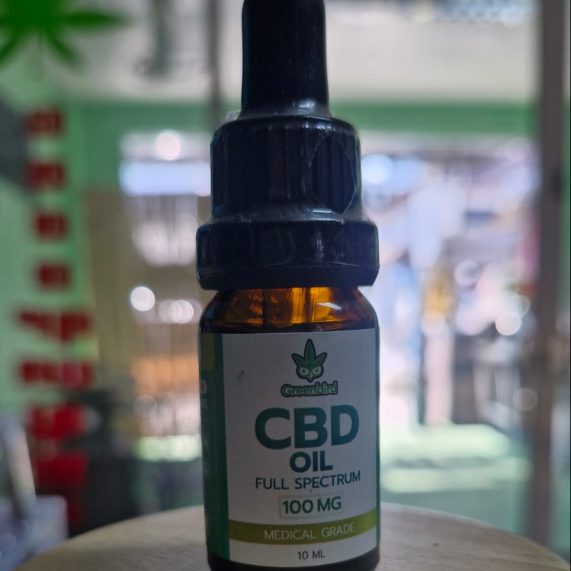
Absence of pesticides or herbicides
Absence of large metals
Absence associated with residual solvents
Total product security
Consumers are encouraged to pick CBD oil products backed by the latest lab testing. This specific practice helps guarantee compliance with Iowa’s hemp program and even reduces the chance of buying illegal or unsafe products.
Retail Selling of CBD Lubricate in Iowa
CENTRAL BUSINESS DISTRICT oil that meets hemp program standards can be distributed in Iowa through physical retailers plus online platforms. Merchants must ensure the products they hold come from qualified growers and cpus.
Retailers are forbidden from selling CENTRAL BUSINESS DISTRICT oil that surpasses THC limits or even lacks proper marking. Additionally, they must avoid making unapproved health or healthcare claims about CENTRAL BUSINESS DISTRICT oil.
Failure to be able to comply with retail regulations can outcome in product seizures, fines, or loss of business permits.
Restrictions on Health Claims
Under Iowa’s hemp program, CBD oil is not really classified as the medicine unless accepted through appropriate medical channels. Because of this, vendors cannot market CBD oil as being a remedy or cure intended for specific diseases.
Claims related to diagnosing, treating, curing, or perhaps preventing medical problems are prohibited. This kind of rule protects buyers from misleading details and aligns Iowa regulations with larger federal standards.
Transportation and Storage Polices
CBD oil in addition to hemp products may be transported inside Iowa given that they will meet hemp software requirements. Products should be stored plus transported in correctly labeled packaging.
Moving untested or non-compliant hemp products can lead to legal issues, even if the THC articles is just slightly previously mentioned the legal control. Documentation and appropriate handling prevent uncertainty during inspections.
Influence on Consumers
Intended for consumers, Iowa’s hemp program provides peace of mind that legal CENTRAL BUSINESS DISTRICT oil products match basic safety plus quality standards. The particular program helps lessen the risk involving contact with illegal THC levels or hazardous contaminants.
However, customers must still exercise caution. Not all CBD products on the subject of the market are created equal, and understanding labeling and testing information keeps essential.
Influence on Growers and Organizations
Iowa’s hemp program has created new opportunities for farmers plus entrepreneurs. Hemp farming offers an option crop option, when CBD oil generation supports local organizations and job design.
At the same time, strict rules mean that compliance is definitely critical. Farmers plus processors must commit in testing, confirming, and quality control to remain within just the law.
Difficulties Within the Hemp Program
Despite the benefits, Iowa’s hemp program faces on-going challenges. THC variability in hemp vegetation, regulatory complexity, in addition to market competition can cause difficulties for growers and processors.
Conditions, genetics, and harvesting timing can almost all affect THC amounts, making compliance a continuous concern for farmers.
The Future regarding Iowa’s Hemp Program
As of 2026, Iowa continues to refine its hemp regulations. The point out aims to increase clarity, strengthen enforcement consistency, and support industry growth while protecting consumers.
Future updates may include better assistance with testing requirements, expanded education with regard to growers, and even more streamlined licensing techniques.
Conclusion
Iowa’s hemp program plays some sort of crucial role in regulating CBD petrol and ensuring that products sold in the state are legal, safe, plus compliant. From farming and processing to be able to testing and retail sales, every phase of the CENTRAL BUSINESS DISTRICT oil supply cycle is influenced by this regulatory framework.
For consumers, understanding precisely how Iowa regulates hemp and CBD oil helps promote safer purchasing decisions. With regard to businesses and maqui berry farmers, compliance with the hemp program is important intended for long-term success. Because the CBD sector continues to develop, Iowa’s hemp plan remains the groundwork that supports the legal and governed market.

