CBD oil has become ever more popular in Europe for its prospective therapeutic benefits, coming from reducing anxiety and even stress to relieving chronic pain. When its availability has grown, CBD oil is simply not unregulated. Understanding Health and fitness Canada regulations is crucial for consumers to make sure safety, legality, and product quality. This short article provides a detailed introduction to Canadian guidelines and guidelines surrounding CBD oil.
The Legal Framework
CENTRAL BUSINESS DISTRICT oil is made from cannabis or hemp plants, which in turn are regulated beneath the Cannabis Act. This legislation, introduced in October 2018, legalized both recreational and even medical cannabis although establishing strict guidelines for production, circulation, and sale. Wellness Canada oversees typically the enforcement of these regulations to protect consumers.
Key goals of the Hashish Act include:
Guaranteeing products are risk-free for consumption
Restricting use of minors
Controlling product quality plus efficiency
Preventing unlicensed sale or supply
Through these restrictions, Canadians can access CBD oil that is safe, constant, and legally up to date.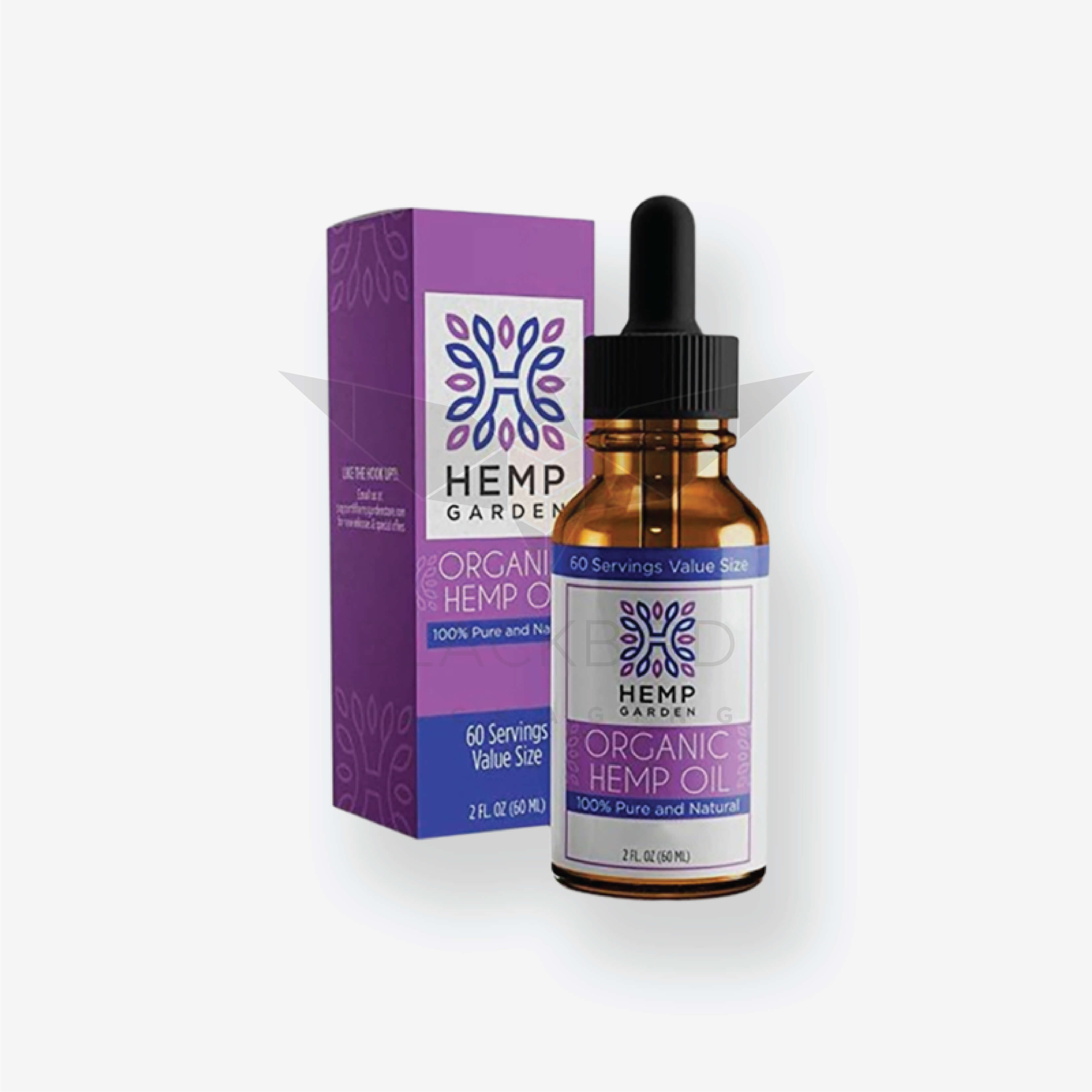
Licensing Requirements regarding Producers
Only qualified producers can progress, process, promote CENTRAL BUSINESS DISTRICT oil in Canada. Wellness Canada grants permit after rigorous examinations and compliance checks. Licensed producers must meet strict criteria related to:
Protection: Preventing unauthorized accessibility or diversion associated with cannabis products
Top quality control: Ensuring tools are free of pollutants like pesticides, large metals, and solvents
Record keeping: Traffic monitoring production and submission of CBD goods
Packaging and brands: Providing accurate details on THC/CBD content, dosage, and safety warnings
Consumers need to always verify that will their CBD lubricate comes from the licensed producer in order to ensure compliance with Canadian law.
THC and CBD Restrictions
Health Canada units rules regarding THC levels in CBD products:
Hemp-derived CBD oil must contain less than 0. 3% THC
Cannabis-derived CBD oil may contain higher THC levels but need to conform to licensing restrictions
Products exceeding permitted THC content will be illegal for great deals
Checking labels regarding THC content is definitely critical, especially intended for those who want non-psychoactive effects or want to avoid THC for work or even drug testing.
Age and Purchase Restrictions
Health Canada enforces strict age restrictions for purchasing CBD oil:
Legal age: 19 years in most provinces, 18 in Alberta in addition to Quebec
Retail constraints: Only licensed dispensaries or internet vendors may well sell CBD essential oil
Possession limits: Adults may possess up to 30 gr of dried marijuana or equivalent inside of oils or food items
These rules stop unauthorized access and be sure responsible consumption.
Product packaging and Labeling Rules
All CBD essential oil sold in Nova scotia must meet certain labeling standards:
Correct THC and CBD levels
Ingredients record, including carrier oils and flavorings
Medication dosage guidelines
Health alerts, such as potential part effects
Batch number and expiration day
Proof of licensed producer status
Product labels must be clean and not make unsubstantiated health claims, ensuring buyers are not misinformed about product benefits.
visit and Good quality Assurance
Health Europe emphasizes product basic safety through quality confidence measures, including:
Thirdparty lab testing intended for cannabinoid content and even impurities
Good Manufacturing Practices (GMP) for consistent production
Recall protocols for items found to always be unsafe or mislabeled
Consumers may use order numbers and COAs (Certificates of Analysis) to verify item safety and efficiency.
Medical CBD Polices
Medical CBD essential oil is controlled by added rules:
Patients need a prescription coming from a licensed healthcare specialist
Licensed producers will supply higher amounts and specialized supplements
Patients are granted to possess larger quantities than pastime users if approved
Medical programs make sure patients have access to safe, effective, and regulated CENTRAL BUSINESS DISTRICT products tailored to their own health needs.
Hazards of Non-Compliant Goods
Using CBD petrol from unlicensed resources can pose hazards:
Legal consequences intended for possession or obtain
Exposure to polluted or mislabeled products
Inaccurate dosage, primary to reduced performance or unwanted effects
Simply by purchasing from certified retailers, consumers shield both their health insurance and legal standing.
Tricks for Canadian Consumers
Look into the producer license to guarantee the product is controlled
Read labels carefully for THC/CBD ranges, dosage, and elements
Search for lab tests results to verify chastity and potency
Adhere to dosage recommendations plus start using a lower dose
Consult some sort of healthcare professional regarding medical concerns or perhaps medication interactions
Bottom line
Health Canada rules provide a construction to ensure CBD oil canada is safe, top quality, and legally certified. By understanding license requirements, THC limits, labeling rules, in addition to safety standards, Canadians can confidently purchase and use CBD oil. Staying knowledgeable not merely protects your current health but in addition assures compliance with Canadian law, allowing you to enjoy the potential benefits of CBD oil as well as responsibly.

