The growing popularity involving cannabidiol (CBD) products has significantly affected your pet care market. Many pet owners now consider CBD as a normal wellness option for managing issues many of these as anxiety, chronic pain, inflammation, and even mobility problems in dogs and cats and kittens. Because of this, the marketplace for CBD dog products—such as oils, treats, capsules, and topical solutions—has broadened rapidly.
However, together with the increasing accessibility to these products arrives an essential question: How are hemp plus cannabis products with regard to pets regulated inside Connecticut? Understanding these types of regulations is vital with regard to pet owners, suppliers, and retailers who wish to ensure they will be complying with express and federal regulations.
This article points out the legal construction surrounding hemp and even cannabis regulations within Connecticut and just how these rules affect CBD products made for pets.
Understanding Hemp, Cannabis, in addition to CBD
Before talking about regulations, it is important to understand the differences between hemp, cannabis, and CBD.
Cannabis is some sort of broad term that will describes plants in the Cannabis genus. These plants have various chemical substances known as cannabinoids. Two of typically the most well-known cannabinoids are:
CBD (Cannabidiol) – a non-psychoactive compound often related to wellness benefits.
THC (Tetrahydrocannabinol) – typically the psychoactive compound responsible for the “high” related to marijuana.
Cannabis vegetation are generally grouped into two classes:
Hemp
Hemp will be a selection of cannabis that contains less than zero. 3% THC. Hemp is commonly useful for industrial purposes and then for producing CBD items.
Marijuana
Marijuana identifies cannabis plants along with higher THC concentrations, which can develop intoxicating effects.
CBD products intended intended for pets are typically derived from hemp, not really marijuana, because hemp-based CBD products are usually legal under federal law.
Federal Regulations Governing Hemp in addition to CBD
The corporate landscape for hemp and CBD in the United Declares changed significantly along with the passage of the 2018 Village Bill. This law legalized the farming and production of industrial hemp nationwide.
Essential provisions of the law include:
Hemp containing no even more than 0. 3% THC is simply no longer classified since a controlled material.
Hemp-derived products, which include CBD, can always be produced and marketed legally.
Hemp can be transported across state lines.
This legislation opened typically the door for a growing CBD industry, which include products designed with regard to pets.
However, the particular Farm Bill did not fully handle how CBD have to be used within food, supplements, or even animal products. This kind of regulatory gap means that that federal firms, particularly the U. S. Food and even Drug Administration (FDA), still play a significant role in managing CBD products.
FOOD AND DRUG ADMINISTRATION Oversight of CBD Products
The MAJOR REGULATORY BODIES regulates products suitable for consumption by the two humans and pets. Although hemp-derived CBD is legal in many contexts, the FOOD AND DRUG ADMINISTRATION has not but fully approved CBD as an ingredient inside of animal food or even veterinary medications.
Currently:
CBD is certainly not officially approved as a veterinary drug for animals.
CENTRAL BUSINESS DISTRICT is not officially recognized as an element in pet meals or health supplements.
Firms cannot legally market CBD products as cures for illnesses without scientific evidence and regulatory approval.
Because of this kind of, CBD pet goods often fall in to a regulatory grey area, even though they are widely available.
Connecticut’s Hemp Regulations
Connecticut uses federal guidelines concerning hemp cultivation and production. The state allows farmers and companies to grow hemp under approved farming programs.
Key points of Connecticut’s hemp regulations include:
Hemp plants must consist of only 0. 3% THC.
Hemp farming should be licensed and regulated by the particular state.
Hemp-derived goods must conform to assessment and labeling standards.
These rules enable hemp-derived CBD products—including those intended for pets—to be produced and sold in Connecticut as long as they meet THC limits and regulatory requirements.
Visit Website ’s Hashish Laws
Connecticut features also legalized pastime cannabis for grown ups, meaning marijuana products containing higher THC levels can become legally purchased by way of licensed dispensaries.
Nevertheless, marijuana-derived products are controlled much more purely than hemp goods.
For pet items, this distinction is important:
Hemp-derived CBD tools are widely available and generally legal in case they contain less than 0. 3% THC.
Marijuana-derived products made up of higher THC ranges are restricted and may even not be suitable for animals.
Pets are highly arthritic to THC, as a result marijuana products should never be given to pets unless specifically permitted by an animal medical practitioner.
CBD Pet Items in Connecticut
CBD products marketed with regard to pets are generally found in many list environments throughout Connecticut, including:
Pet source stores
CBD specialised shops
Wellness plus health stores
Online areas
These goods are typically hemp-derived and formulated with low THC concentrations of mit.
Common types of CBD pet items include:
CBD essential oils and tinctures
CBD-infused dog treats
Tablets or soft chews
Topical creams for mutual or skin assist
While these products are acquireable, the regulatory framework ruling them continues to be innovating.
Legal Challenges and Regulatory Gaps
One particular of the biggest challenges in regulating CBD pet items is the not enough comprehensive federal rules.
Because CBD is not really officially approved by the FDA for use in animal food or vet medicine, manufacturers must be cautious about exactly how they label and even market many.
A few regulatory challenges include:
Inconsistent product labels
Variation in CBD concentrations
Limited oversight of manufacturing practices
Unverified health states
These issues focus on the significance of stronger regulating standards and customer awareness.
The Role of Veterinarians
Vets tend to be asked regarding CBD products by simply pet owners in search of natural alternatives for his or her animals’ health concerns. However, veterinarians should navigate complex legal and ethical rules when discussing CBD.
In Connecticut, vets can generally:
Discuss CBD products together with owners
Explain possible risks and rewards
Provide general suggestions about pet well being and wellness
Nevertheless, veterinarians may not really be in a position to referred to as prescribe CBD while a medication since it has not however received FDA acceptance like a veterinary medication.
As research carries on and regulations develop, veterinarians may acquire clearer authority to guide CBD employ in animals.
Basic safety Considerations for Dog owners
Because CBD products vary widely in quality, safety should always be a top priority for pet masters.
When purchasing CENTRAL BUSINESS DISTRICT products for domestic pets, it is important to consider the pursuing factors:
Third-Party Laboratory Testing
Reputable CENTRAL BUSINESS DISTRICT products are examined by independent labs to confirm CBD content and ensure THC levels continue to be below the legitimate limit.
Accurate Marking
Products should plainly list CBD concentrations, ingredients, and medication dosage instructions.
Pet-Specific Products
CBD products built specifically for pets are safer than those designed for people, which may include harmful ingredients.
Keeping away from THC Exposure
Also small amounts of THC can end up being harmful to pets, so products should remain within lawful THC limits.
Prospective Risks of CENTRAL BUSINESS DISTRICT for Pets
Even though CBD is often considered safe any time used responsibly, this can still cause side effects in some animals.
Possible side effects include:
Drowsiness
The disgestive system upset
Changes on appetite
Temporary listlessness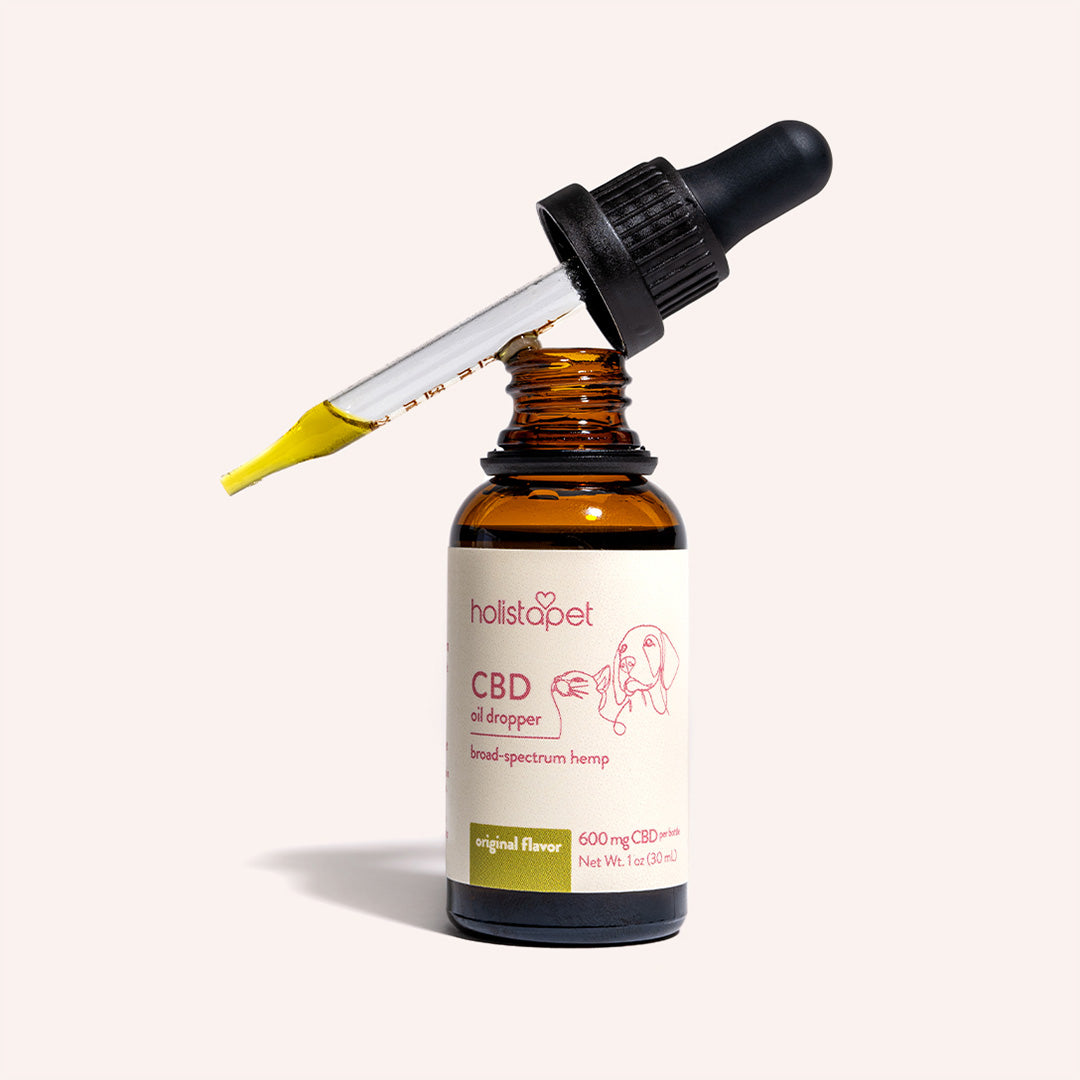
Pets exposed to be able to high amounts of THC may experience a lot more serious symptoms for instance tremors, confusion, or even loss of skill.
Because of this, careful dosage and product choice are necessary.
The Long term of CBD Regulations in Connecticut
The particular regulatory landscape for CBD is still developing, and changes are expected as a lot more research receives. Researchers and regulatory organizations are continuing in order to study the effects of CBD about both humans in addition to animals.
Future advancements may include:
MAJOR REGULATORY BODIES approval of CBD-based veterinary medications
Sharper guidelines for CBD in pet foods and supplements
More powerful quality and assessment standards
More comprehensive labeling needs
These changes could help boost consumer confidence plus ensure the security of CBD items for pets.
Summary
The increasing recognition of CBD products has created new opportunities in the particular pet care sector, nonetheless it has furthermore introduced complex regulating challenges. In Connecticut, hemp-derived CBD items containing lower than zero. 3% THC usually are generally legal and even widely available, which includes products marketed for pets.
However, government and state regulations surrounding CBD dog products are still innovating, particularly because the FDA has not however approved CBD as a veterinary medicine or ingredient inside animal food.

